Maximizing Natural Light: The Impact Skylights Have on Your Home
Skylights provide an effective option for homeowners seeking to increase natural light in their spaces. They provide an effective means to enhance both ambiance and energy efficiency. Beyond their decorative value, skylights can greatly impact energy efficiency and living conditions. However, selecting the right type and placement is vital for maximizing their benefits. Understanding these elements can lead to a healthier and more energy-efficient living space. What considerations should homeowners keep in mind?
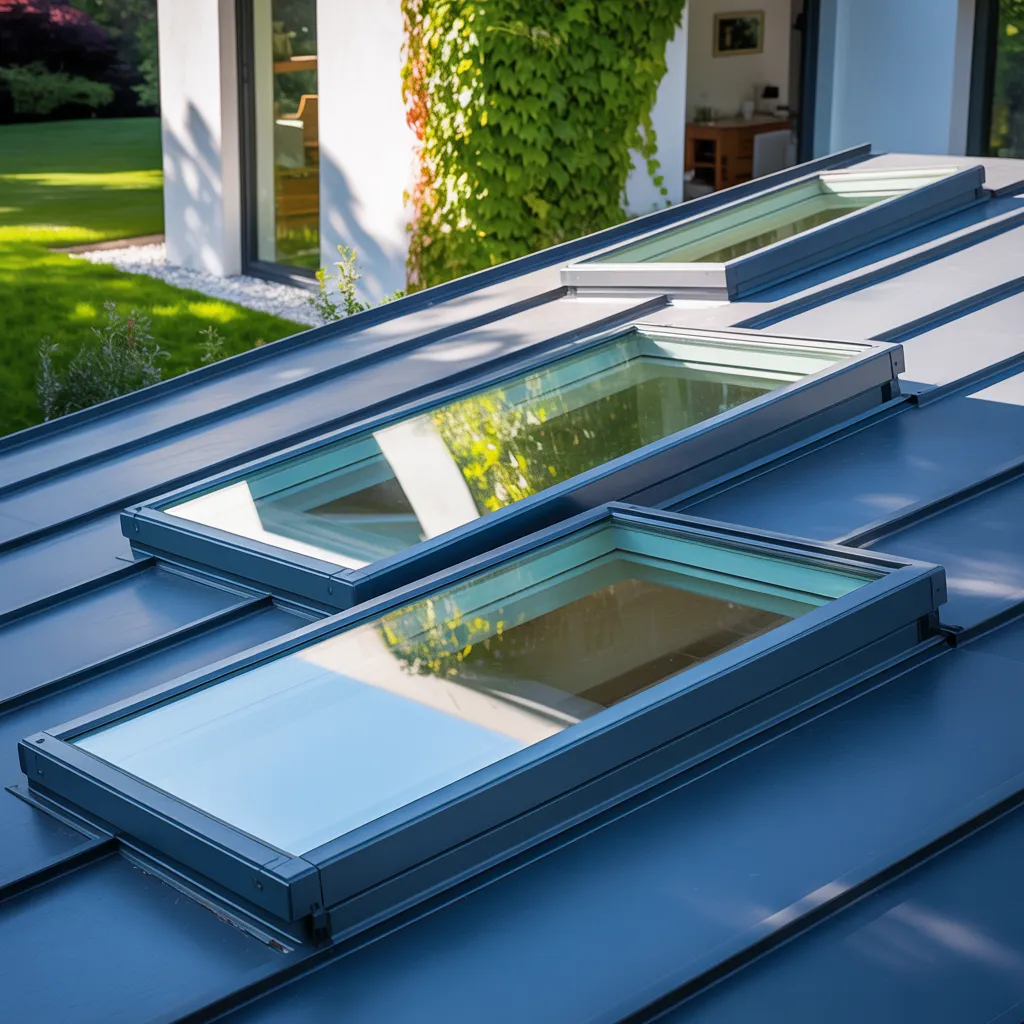
Why Skylights Are a Great Choice for Your Home
Skylights offer a unique advantage for homeowners seeking to enhance their living spaces. By introducing natural light into areas that may otherwise be dim, skylights establish a warmer and more lively environment. This abundance of natural light can make spaces appear more spacious and airy, encouraging a feeling of comfort and positivity. Additionally, skylights can serve as a design focal point, merging utility with timeless elegance.
The adaptability of skylights makes them suitable for installation in a wide range of spaces, from kitchens to bathrooms, elevating the general atmosphere of every room. They can also provide ventilation, enhancing air circulation while lowering humidity levels. Furthermore, the capacity to capture natural daylight not only enhances a home's interior but can also have a positive impact on mood. Selecting skylights is a considered investment in both the comfort and aesthetic appeal of a home, rendering them an ever more favored solution for homeowners aiming to optimize their home environments.
Ways Skylights Help You Save on Energy Bills
Harnessing the power of natural daylight can lead to significant savings on utility expenses. Skylights allow homeowners to harness sunlight efficiently, reducing the reliance on artificial light sources throughout the day. By naturally brightening interior spaces, they can reduce energy usage, most notably in rooms that demand reliable illumination, such as kitchens and living rooms.
Moreover, well-positioned skylights can optimize ventilation, encouraging air movement and decreasing the need for air conditioning in the warmer season. This natural cooling effect can lead to lower energy costs, particularly in areas where cooling systems see heavy use.
In addition, many modern skylights are designed with advanced glazing technologies that minimize heat loss throughout the cooler season. This characteristic supports a comfortable interior climate while reducing energy costs. All things considered, the incorporation of skylights goes beyond boosting aesthetic appeal but also promotes a higher standard of energy efficiency, creating enduring economic advantages.
Exploring the Various Types of Skylights
When considering the installation of skylights, it is important to be aware of the different types to choose from, as each design fulfills specific purposes and design needs. Fixed skylights are immovable and mainly designed to allow in natural light, making them perfect for spaces where ventilation is not required. Ventilated skylights, on the other hand, can be operated, facilitating airflow and boosting indoor air quality. Tubular skylights are small and channel light through reflective tubes, excellent for smaller areas or hallways. Additionally, there are dome skylights that deliver a unique aesthetic while successfully diffusing light. Skylights can also be classified by their frame materials, including wood, aluminum, and vinyl, each delivering different levels of durability and upkeep. Knowing these alternatives allows homeowners to identify the skylight type that ideally enhances their space and addresses their particular lighting needs.
Expert Skylight Placement Tips for Optimal Light
When thinking about skylight installation, the positioning of these features is crucial for maximizing natural light. The best room selections, such as living areas and kitchens, benefit greatly from thoughtful positioning. Moreover, the angle and orientation of the skylights can increase light intake during the day.
Optimal Room Locations
What are the best locations for skylights to maximize natural light? The ideal locations for skylights include rooms that benefit from abundant natural light, such as living rooms, kitchens, and bathrooms. These areas often lack sufficient windows, making skylights a perfect solution. In living rooms, skylights can create a warm and inviting atmosphere, while in kitchens, they can illuminate workspaces effectively. Bathrooms also gain from enhanced natural light, contributing to a more spacious feel. Furthermore, hallways and stairwells can be greatly enhanced by carefully positioned skylights, boosting both light levels and overall atmosphere. By taking these optimal placements into account, homeowners can substantially boost natural light within their living spaces, creating a radiant and welcoming setting.
Angle and Orientation
The positioning and orientation of skylights are essential for enhancing natural light inside a room. Ideally, skylights should be installed facing south to capture the most sunlight throughout the day. This positioning provides steady illumination, particularly during the winter season when the sun sits lower in the sky. In the case of east and west-facing skylights, morning and afternoon sunlight can be captured well, yet extra shading might be necessary to reduce overheating. The slope of the skylight should likewise be evaluated; a pitch ranging from 30 to 45 degrees can boost light diffusion while limiting glare. Ultimately, thoughtful placement and orientation will guarantee that natural light floods the home, creating a brighter and more inviting atmosphere.
How Skylights Elevate Your Home's Aesthetic
Skylights act as impressive architectural features that can greatly improve a home's aesthetic appeal. By allowing natural light from above, they generate a feeling of openness and airiness, transforming even the darkest spaces into bright, appealing interiors. The balance of light and shade generated by skylights highlights structural features, emphasizing textures and tones in a interior space.
Additionally, skylights can be deliberately arranged to capture stunning vistas of the sky, trees, or nearby outdoor environments, connecting the outside world with indoor spaces. This connection fosters a harmonious living experience and has the potential to instill a sense of peace. They are also available in a wide range of styles, from conventional to avant-garde, permitting homeowners to find variations that suit their established interior and architectural preferences. At the end of the day, adding skylights not only elevates the visual character of a property but also boosts overall value by transforming spaces into larger and more accommodating environments.
Care Tips for Long-Lasting Skylights
To ensure skylights remain a permanent fixture in a home, routine maintenance is crucial. Homeowners ought to develop a scheduled maintenance plan, examine seals and flashing, and monitor for any signs of leaks. These proactive steps can help maintain the integrity and functionality of skylights in the long run.
Routine Cleaning Schedule
Developing a consistent cleaning plan is crucial for upholding the cleanliness and condition of skylights. Dust, dirt, and debris can gather over time, reducing natural light and lowering the overall aesthetic appeal. It is best practice to clean skylights at least two times annually, ideally in the spring and fall seasons, when atmospheric conditions are optimal. Using a soft cloth and a gentle, non-abrasive cleaner can protect the surface from scratches and damage. For hard-to-reach areas, a squeegee fitted to an extendable pole can thoroughly clear away dirt. In addition, periodic evaluations while cleaning can aid in spotting early warning signs, maintaining the skylights in excellent working order. A well-maintained skylight not only improves natural light distribution but also boosts the household's energy conservation efforts.
Inspect Seals and Flashing
Regular cleaning helps maintain the transparency of skylights, but it is also crucial to check seals and flashing to guarantee long-lasting performance. Over time, seals can break down due to UV ray exposure and temperature changes, which may result in gaps that compromise insulation. Flashing, which safeguards the connection points between the skylight and roof, must also be examined for deterioration or rust. Homeowners ought to carry out these inspections no less than twice per year, especially after severe weather conditions. Any signs of wear should prompt immediate repairs or replacements to guard against issues like water infiltration or heat loss. By keeping seals and flashing in good condition, homeowners can significantly prolong the durability and effectiveness of their skylights.
Inspect for Leaks
Detecting leaks early is essential for maintaining the integrity of skylights. Regular monitoring is important to prevent water damage and guarantee longevity. Homeowners should periodically check for signs of access now moisture around the skylight, including water stains or mold growth on ceilings and walls. Examining both the interior and exterior for cracked glass or worn seals is equally important. During heavy rain or snow, observing for water intrusion can provide immediate feedback on potential issues. It is advisable to clean the skylight regularly to prevent debris buildup, which can trap moisture. Should any leaks be identified, timely repairs or expert help should be pursued to resolve the issue efficiently, protecting the home from additional damage.

Common Questions and Answers
Can Skylights Reduce Indoor Humidity Levels
Skylights can assist in reducing internal humidity levels by encouraging airflow. Once opened, they enable warm, humid air to escape, promoting air movement and potentially decreasing humidity levels, consequently fostering a healthier living environment.
Do Skylights Need Special Building Permits?
That's correct, skylights usually necessitate particular building approvals, as they entail structural alterations. Requirements can differ by region, requiring consultation with local authorities to confirm compliance with building codes and zoning regulations before starting the project.
How Do Skylights Influence a Home's Resale Value
Skylights commonly improve home resale value by drawing in buyers looking for natural light and visual charm. Their ability to improve energy efficiency and add modern appeal can also elevate marketability, making properties with skylights highly sought after in competitive real estate markets.
Can Skylights Help With Ventilation?
Skylights can significantly assist with ventilation by allowing hot, stale air to escape while drawing in cooler outside air. This natural airflow helps regulate indoor temperatures, enhancing the overall comfort and air quality throughout the home.
Are Skylights Available for Flat Roofs?
There are indeed multiple skylight options designed for flat roofs, including curb-mounted and flush-mounted designs. These types provide effective natural light while accommodating flat roofing materials, providing both structural functionality and aesthetic value in modern building design.